
CRITICAL ACCLAIM & INTERNATIONAL PRESS
Reviews & Media Coverage
Critical reviews, broadcast features, scholarly appraisals, and press documentation spanning the orchestral, choral, and chamber catalog of composer Ralf Yusuf Gawlick across Europe and North America.
QUICK JUMP TO COMPOSITIONS:
“Missa gentis humanæ is a true masterpiece. I personally believe that this piece will live in the annals of this century as a significant signpost of our time.”
— Robert Schuneman, President, ECS Publishing
OPUS 22 · ORATORIO FOR SOPRANO, BARITONE AND CHAMBER ENSEMBLE
O Lungo Drom (The Long Road)
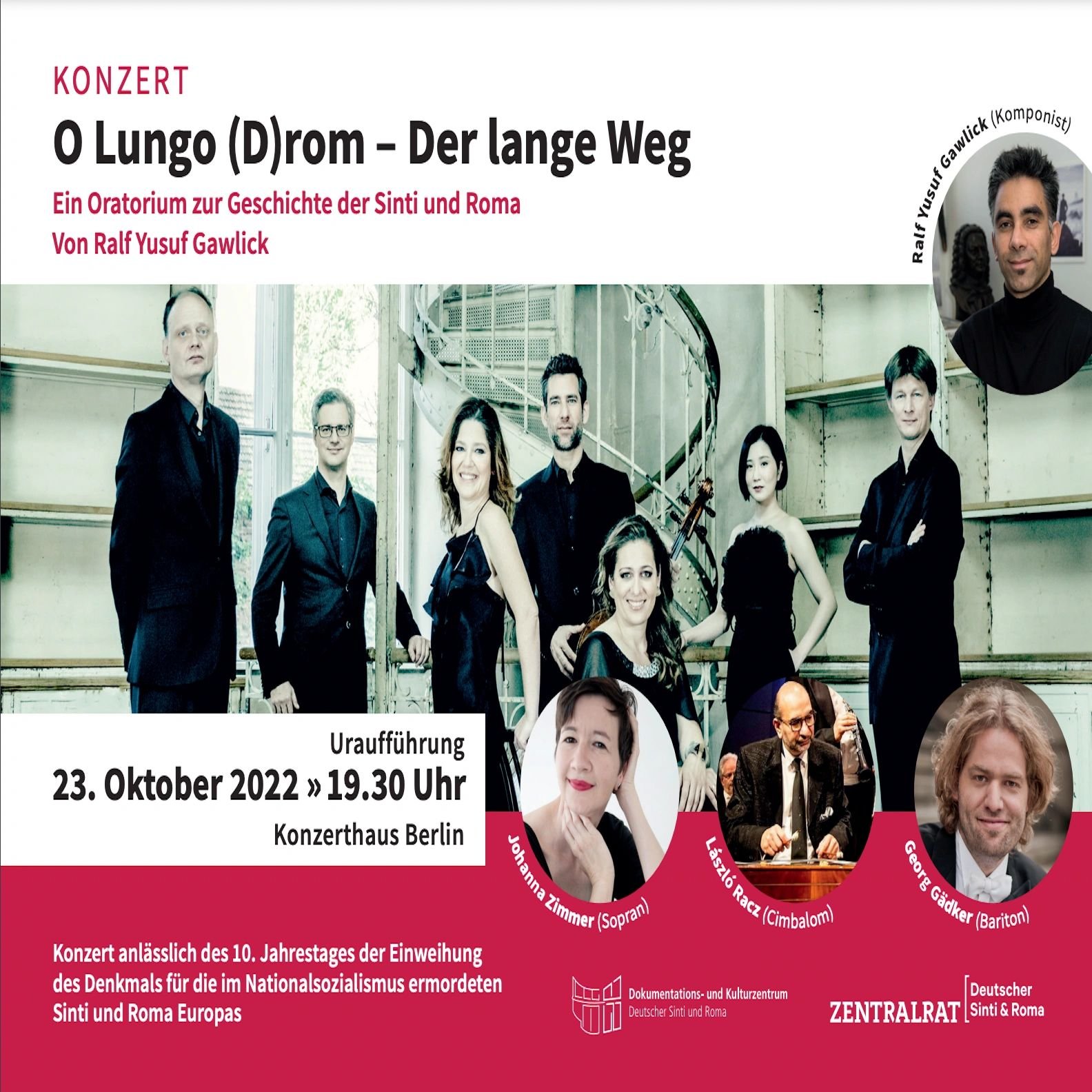
Scored for soprano, baritone, flute, clarinet, cimbalom, piano, and string quartet, O Lungo Drom was the musical centerpiece of the international conference “Commemoration of the Holocaust against the Sinti and Roma ~ Current developments and challenges” sponsored by the Central Council of German Sinti and Roma.
Organized for the 10th anniversary of the inauguration of the Memorial to the Sinti and Roma Victims of National Socialism in Berlin, keynote speakers included Frank-Walter Steinmeier, President of the Federal Republic of Germany, and the oratorio’s dedicatee Romani Rose, Chairman of the Central Council of German Sinti and Roma.
10 Jahre Denkmal & Konferenz
Keynote commemoration details and official documentation from the Central Council & Dokumentationszentrum Deutscher Sinti und Roma.
Konzerthaus Berlin Première
Concert program, libretto analysis, and premiere details by the Alban Berg Ensemble Wien at Konzerthaus Berlin.
Phoenix vor Ort TV Broadcast
German national news service broadcast and memorial coverage of the ceremony and performance.
OPUS 16 · A CAPPELLA MASS FOR EIGHT VOICES
Missa gentis humanæ
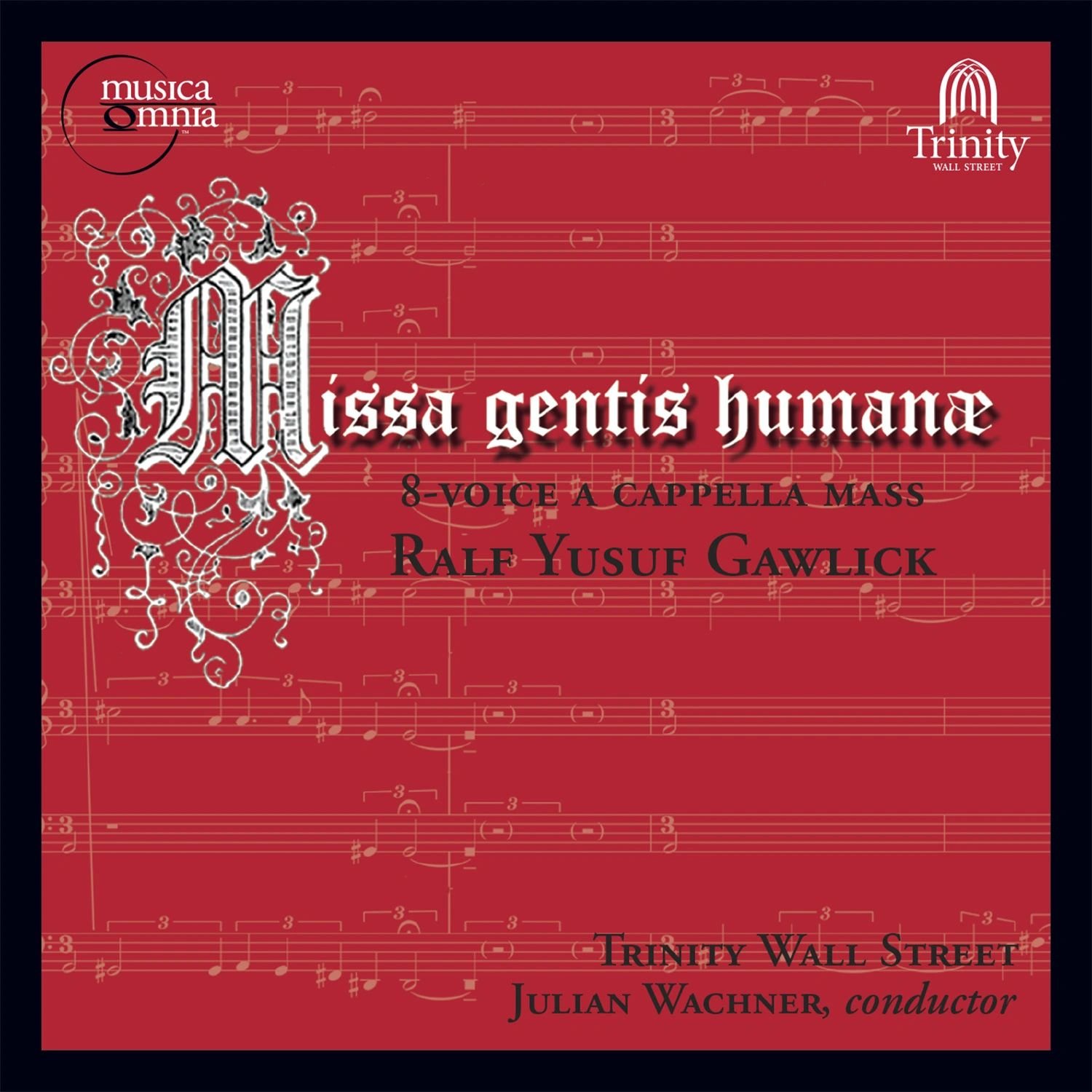
“Everyone on our editorial committee has seen your Missa, and the unanimous opinion is that it is probably the most unique and masterful piece of music to come across our view in many, many years.”
— Robert Schuneman, ECS Publishing
American Record Guide Review
“A man named Ralf Yusuf Gawlick has to have an interesting background; and indeed, he is of Roma and Kurdish descent, born in Germany in 1969 and educated there and in Austria, Poland, and America. He now teaches at Boston College. Missa gentis humanæ is an a cappella mass for eight voices, and Gawlick follows the relatively recent path for masses—mixing in other texts. Jorge Luis Borges, Virgil, Brecht, Zbigniew Herbert, Dostoevsky, and Walter Scott have their words, in their original languages, sewn into the fabric.”
“As for the style, if we have neoclassical, neoromantic, and neotonal music, why not neo-Renaissance? The textures are usually spare, and Gawlick’s writing encapsulates every imaginable kind of musical sound and device: from plainchant through Medieval two-, three-, and four-voice polyphony, to complex Renaissance counterpoint… The mass is skillfully written, reverent, completely without artifice, and quite effective. Easy-on-the-ears modern choral music has a place, but this is something different—a challenging, sometimes exacting work of greatness.”
— American Record Guide (2015)
OPUS 21 · EINE MUSIKALISCHE GEDENKSTÄTTE
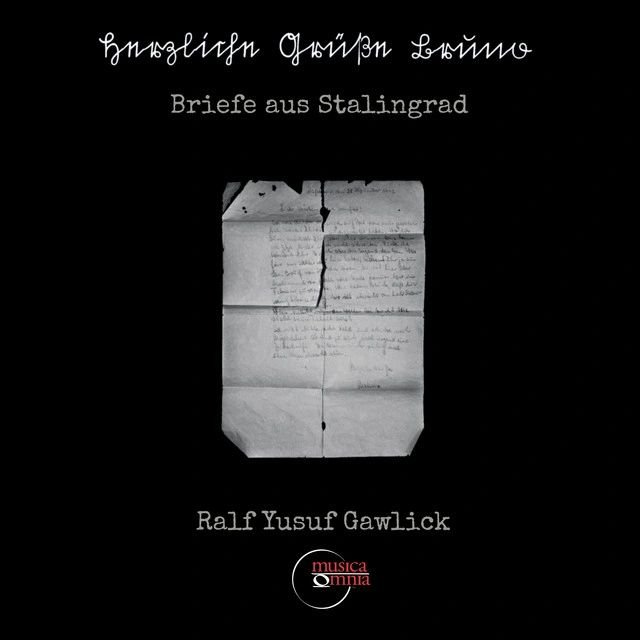
Herzliche Grüsse Bruno ~ Briefe aus Stalingrad
A musical memorial for baritone, two pianos, and historical audio montage composed around the final letters sent by Bruno Gawlick during the siege of Stalingrad.
Fanfare Magazine Feature
“This is no ordinary piece. Gawlick uses the death of his uncle, Bruno Gawlick, during the World War II siege of Stalingrad as the spark to compose a horrifically dramatic and effective work that brings home with extraordinary impact the suffering which human beings are capable of inflicting on each other.”
“Briefe aus Stalingrad has an internal integrity and sense of shape that is both moving and engrossing. Reaction to it will vary, probably wildly. All I can do is report mine: it left me with a mix of emotions—anger, sorrow, and frustration… but at the same time there was something uplifting about the beauty of that Bruckner Seventh excerpt, and the sense of love that inspired Gawlick to create a memorial. I believe it is something that everyone should hear and absorb.”
— Henry Fogel, Fanfare Magazine
Diplomatic & Artistic Critical Reflections
“Bruno’s letters from Stalingrad are not only private signs of remembrance, but have become part of a multimedia Gesamtkunstwerk. Gawlick’s composition commemorates a special group of victims… Overall, it is a commemorative piece that should get to know a wide audience, especially in Germany.”
— Friedrich Löhr, Former German Consulate General in Boston
“Gawlick setzt seinem Onkel ein Denkmal, ein einprägsames, wach rüttelndes, musikalisches Denkmal… Da werden Stimmen, die schon fast verstummt waren, wieder vernehmlich. Sie wollen gehört werden, damit der Wahnsinn sich nicht wiederholt.”
— Johanna Beck, Schriftstellerin, Wien
“Dieses Werk IST einfach: Es kann nur SEIN! Es ist ein Stück Wahrheit, das nicht anders kann! Ein Zeuge der Welten Untergang, der aussagen muss. Sein « j’accuse » is desto kräftiger, da es nicht ein Werk des Mitleids ist.”
— Eliot Fisk, Classical Guitarist
OPUS 20 & OPUS 19 · STRING QUARTET & CHAMBER CYCLES
Imagined Memories & Kollwitz-Konnex
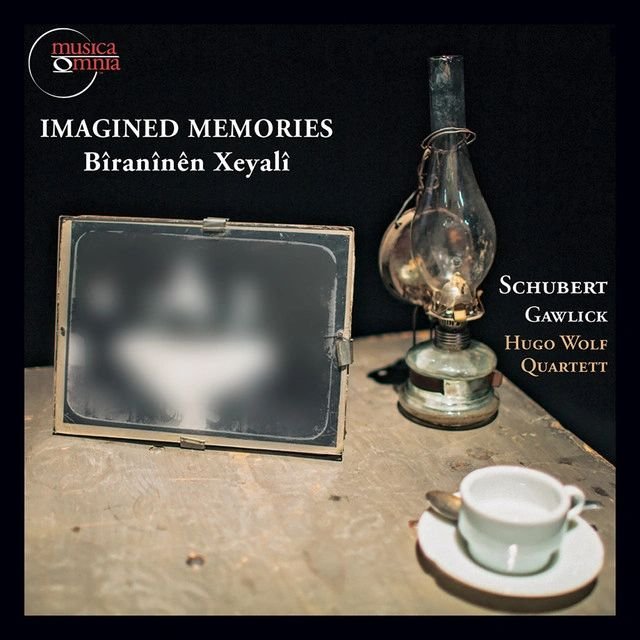
Imagined Memories (Bîranînên Xeyalî)
Opus 20 for string quartet, premiered by the Alban Berg Ensemble Wien at the Musikverein in Vienna and featured across major international broadcasts including ARD Tagesschau, Deutsche Welle (DW), Radioklassik Stephansdom, and Voice of America.
Highlights: Musikverein Wien Première · 40th Anniversary Zentralrat Deutscher Sinti und Roma (Heidelberg) · Süddeutsche Zeitung Feature.
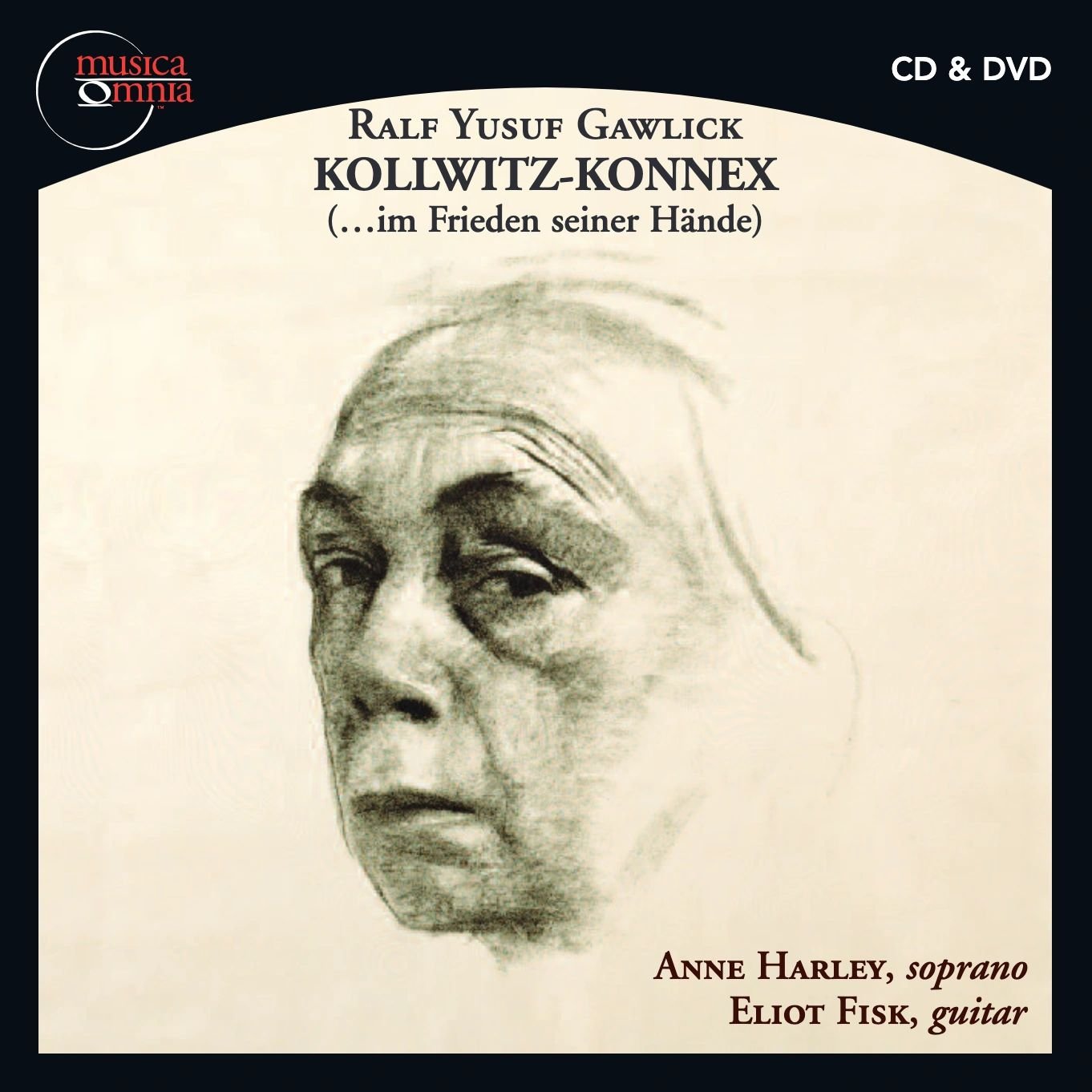
Kollwitz-Konnex (…im Frieden seiner Hände)
CANTATA, CONCERTI & CHAMBER REPERTORY
Solo & Chamber Works
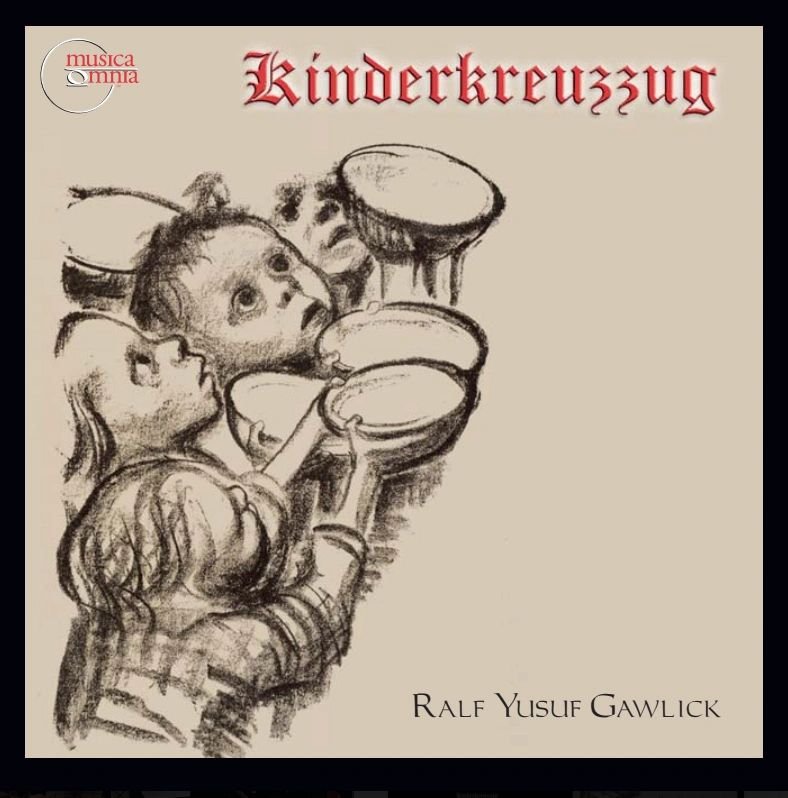
Kinderkreuzzug (Opus 13)
“Like Benjamin Britten’s War Requiem, it casts an extraordinary spell over the listener, amplifying Bertolt Brecht’s tragic text in a raw and visceral way.”
— Dr. Peter G. Watchorn, President Musica Omnia
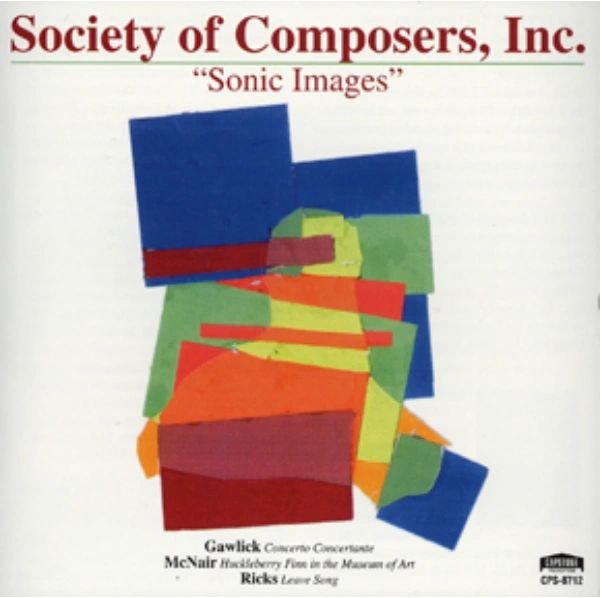
Concerto Concertante (Opus 7)
“Gawlick’s music is full of huge gestures… His style is an expanded tonality à la Messiaen. Masterfully written, it is immensely rewarding music, well worth repeated hearing.”
— John Story, Fanfare Magazine
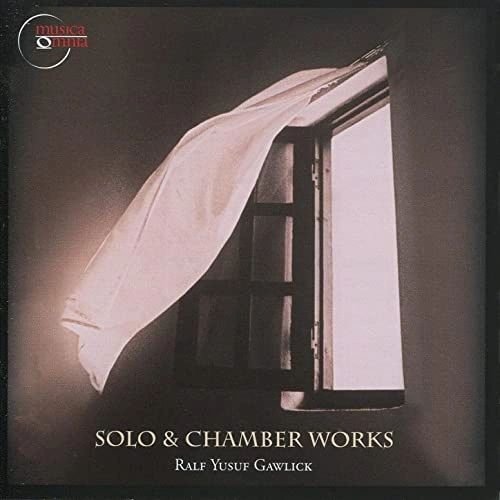
Musica Omnia Chamber Disc
“Mysterium Doloris Quintae, Op. 6 is a provocative fantasy… In Glocken-Spiel, Op. 11 Gawlick effects a musical shape remarkably cogent and satisfying. An exciting release.”
— Musica Omnia (MO 0309) Review
PRESS & BROADCAST DOCUMENTATION
International Press & Media Archive
Television & Radio Features
- ARD Tagesschau: German national news feature on the 40th anniversary memorial concert.
View Tagesschau Report → - Deutsche Welle (DW): “Erinnerung bedeutet gemeinsame Verantwortung” – feature profile.
View DW Coverage → - Bayerischer Rundfunk (BR): Interview with Prof. Dr. Magnus Brechtken (Institute of Contemporary History).
Broadcast on Briefe aus Stalingrad Premiere - Radioklassik Stephansdom (Wien): Intro & Outro feature broadcast on Imagined Memories.
Vienna Musikverein Cycle - Voice of America (Kurdish Service): Composer Profile & Video-Short feature.
Listen on VOA →
Press & Critical Journals
- The Boston Musical Intelligencer: Extensive coverage of premieres, reviews, and feature interviews.
Read Intelligencer Reviews → - Süddeutsche Zeitung: Critical review of Briefe aus Stalingrad and Imagined Memories.
Read SZ Review → - Rhein-Neckar-Zeitung: “Heidelberg: Den besten Ton getroffen” – 40 Jahre Zentralrat review.
Read RNZ Article → - Fanfare Magazine: In-depth critical essays across multiple album releases.
Articles by Henry Fogel and John Story - Boston College Magazine: “Absolute Music” & “Heartstrings” video profile and composer feature.
Read BC Magazine Feature →
Media Inquiries & Performance Materials
For press kits, score inspection copies, performance licenses, or broadcast interview requests, please contact Ralf Yusuf Gawlick directly.